
From Milk Collection to Dairy Innovation: How KJET is Empowering SUKA Cooperative’s Transformation
SUKA Farmers’ Cooperative Society Ltd is a high-performing dairy cooperative that has grown from a small farmers’ group into a thriving dairy enterprise serving more than 1,800 members.
Established in 2008, SUKA Cooperative was formed to address a persistent challenge facing smallholder dairy farmers in Subukia and Kabazi, Nakuru County: low farm-gate prices and delayed payments.
Through consistent effort, the cooperative has become a reliable market for farmers' milk, processing it into a growing range of value-added dairy products. Collective action, value addition, and business development support have transformed the journey from milk production to better returns.
Before receiving KJET Business Development Services (BDS) and mentorship support, SUKA faced several challenges, including inconsistent production and supply, weak market access, gaps in quality and standards, high input costs, and limited business planning.
Through KJET Project support, the cooperative accessed business management training, quality and standards training, certification support, buyer and market linkages, cooperative strengthening and digital tools. With the skills gained, particularly in business management, certification and quality standards, they have strengthened their systems.
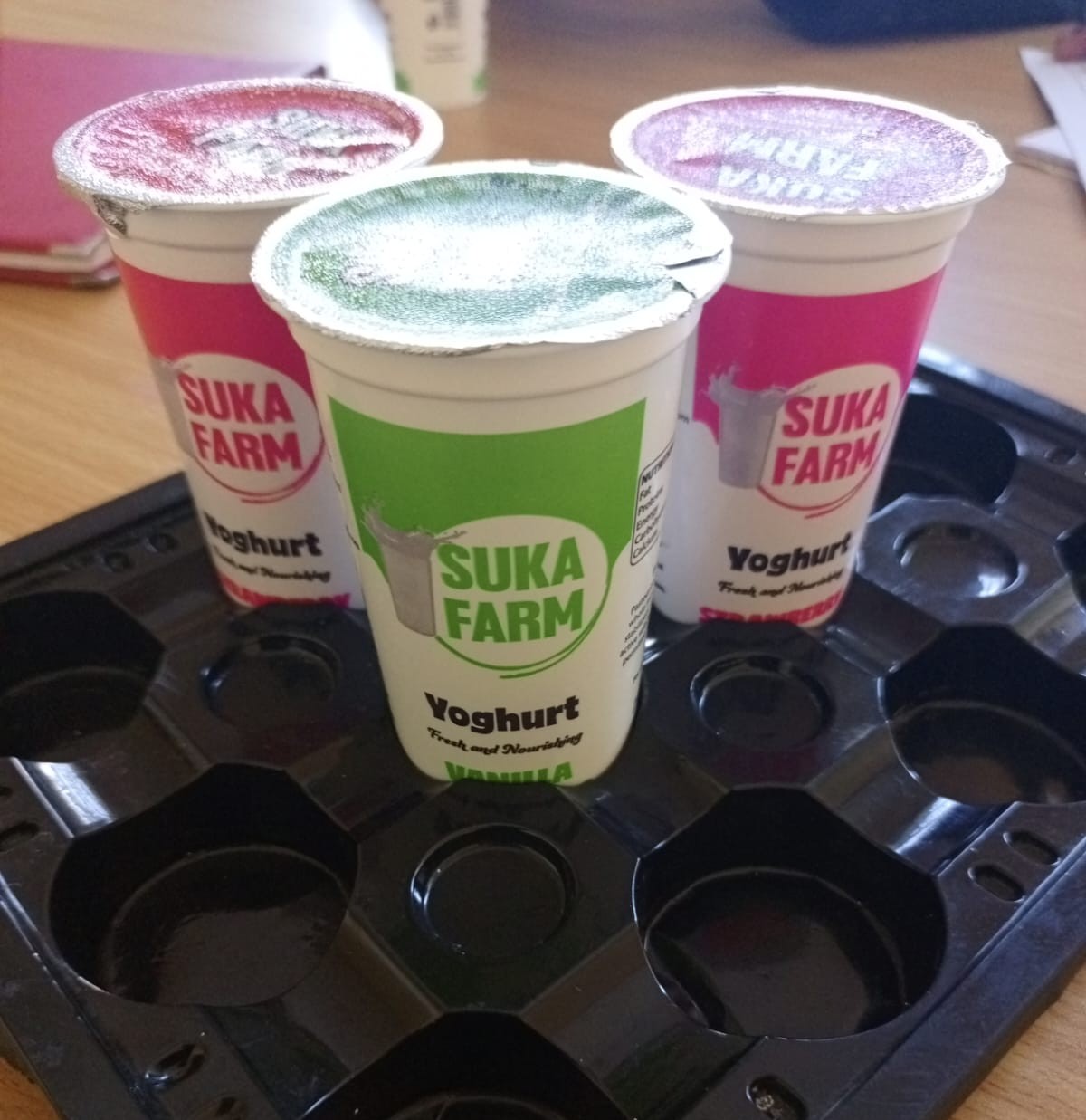
SUKA has embraced value addition as a pathway to greater competitiveness and improved farmer incomes. The cooperative collects milk from more than 1,000 active suppliers, with approximately 98% of the milk collected going into value-added processing. Its product range includes pasteurised fresh milk branded as Suka Farm Fresh, fermented milk (Suka Farm Maziwa Lala), vanilla and strawberry yoghurt, butter, ghee, and artisan cheeses including mozzarella, cheddar, and paneer.
The shift from selling raw milk to processing dairy products has opened new markets and strengthened the cooperative's bargaining power. Annual milk production has increased from 2.23 million litres to 2.74 million litres, while annual revenue has grown from approximately KSh 72 million to KSh 132.2 million.
The cooperative has also expanded its market reach. While it previously sold products mainly within Nakuru County, SUKA now serves markets across Nakuru and its environs, with its cheese products reaching Mombasa. The cooperative can now meet buyer volume requirements, maintain quality standards, supply consistently and meet traceability requirements.
One of the most significant changes at SUKA has been strengthening day-to-day business practices through daily record-keeping covering volumes, quality, and finances, alongside standard operating procedures, quality checks, traceability systems, regular engagement with suppliers, formal buyer contracts, and staff capacity building.
To align with KJET’s environmental and sustainability measures, the cooperative has also embraced environmentally friendly production. Its adoption of solar energy has reduced reliance on diesel and helped manage energy costs, while innovative waste and effluent management practices support more sustainable processing.
With support, the mentorship's ripple effect has spread throughout the community. Farmers now benefit from a more organised milk market, while businesses provide animal feeds, veterinary services, transportation, and processing, and retail gains opportunities from the cooperative's expanding operations.
The cooperative's growth plan includes establishing a modern Ultra-High Temperature (UHT) milk processing line and increasing its focus on value-added dairy products. It also plans to expand into urban retail markets, bringing its products closer to consumers and creating greater opportunities for local dairy farmers. The cooperative also plans to strengthen its feed and fodder systems and to expand its use of solar-hybrid energy solutions.
The SUKA Cooperative's story, a beneficiary of the KJET Project’s support, demonstrates what is possible when smallholder farmers are organised around a common vision and supported with the right skills, systems, and market opportunities. Its journey is a powerful example of how value addition, business development support, stronger market linkages, and sustainable production can transform smallholder enterprises into competitive and resilient businesses.