KJET and World Bank Advance Environmental and Social Safeguards to Strengthen MSME Competitiveness
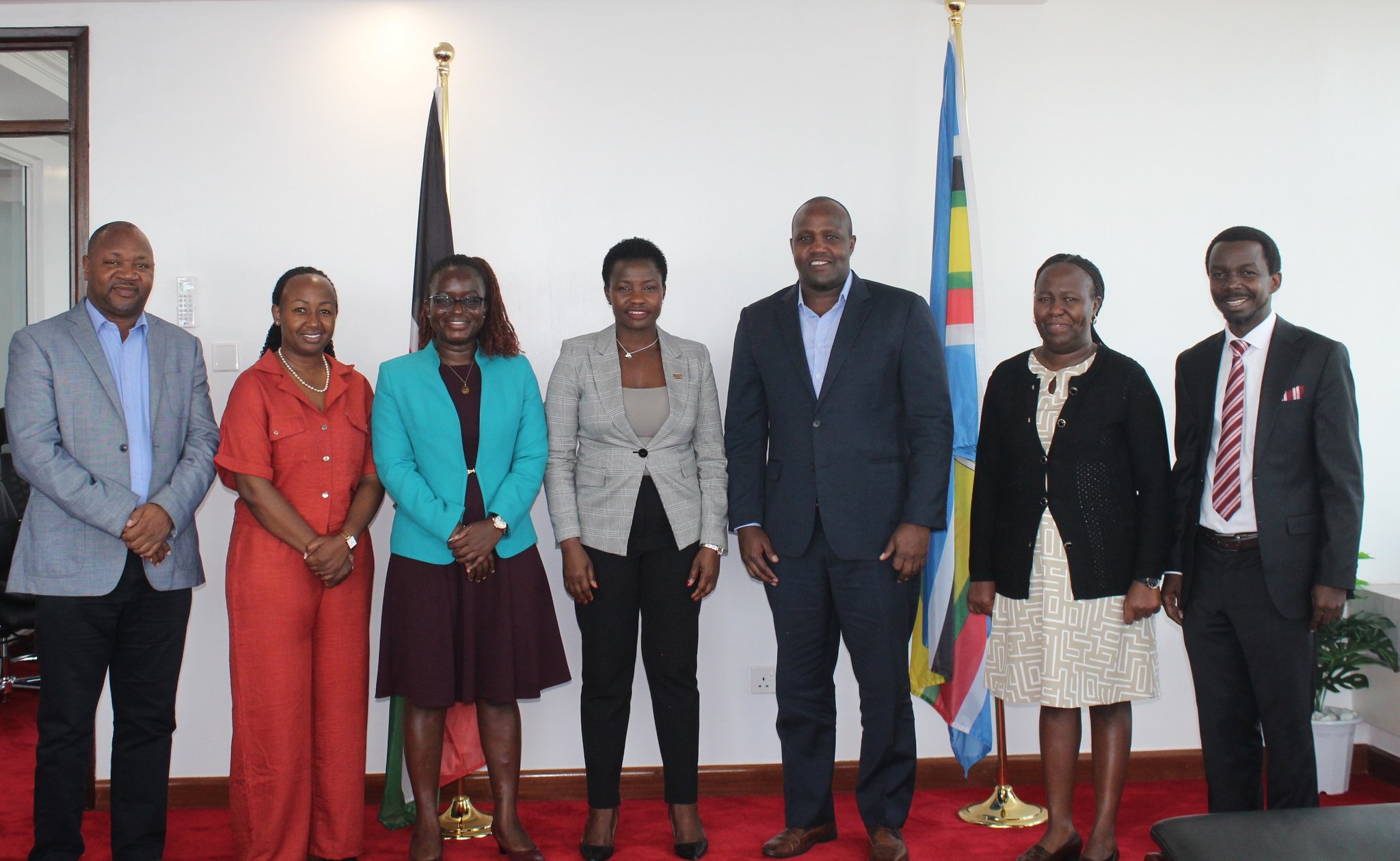
The Principal Secretary for Micro, Small and Medium Enterprises Development presided over a progress review meeting between the Kenya Jobs and Economic Transformation (KJET) Project and the World Bank Environmental and Social Safeguards Support Mission.
Environmental and Social (E&S) Safeguards were recognised as pivotal to Kenya’s economic transformation. More than regulatory obligations, these safeguards enhance cluster competitiveness, improve product traceability, address climate vulnerabilities, and open access to international markets.
Additionally, they are increasingly viewed not as a cost of doing business but as a high-return investment that strengthens Kenya’s global standing and drives national competitiveness.
By integrating strong E&S practices, the KJET Project is ensuring sustainable growth, protecting communities, and elevating product quality. This positions Kenyan goods as safer, more reliable, and more competitive globally. The project’s priorities align strongly with the BETA Agenda, investing in high-impact value chains such as dairy, construction, leather, textiles, edible oils, and the blue economy sectors that are central to food security, job creation, and inclusive growth.
Dr. Tedson Nyongesa, KJET National Project Coordinator, highlighted the ongoing progress in boosting MSME productivity and market access. He noted that while E&S compliance may be new for some enterprises, its adoption is directly linked to improved production standards and long-term sustainability.
The World Bank E&S team reaffirmed their continued support, emphasising the importance of the ongoing MSME clusters screening exercise, which is essential for identifying risks, guiding mitigation strategies, and establishing a performance baseline for continuous improvement.